article atm-icon bar bell bio cancel-o cancel ch-icon crisis-color crisis cs-icon doc-icon down-angle down-arrow-o down-triangle download email-small email external facebook googleplus hamburger image-icon info-o info instagram left-angle-o left-angle left-arrow-2 left-arrow linkedin loader menu minus-o pdf-icon pencil photography pinterest play-icon plus-o press right-angle-o right-angle right-arrow-o right-arrow right-diag-arrow rss search tags time twitter up-arrow-o videos

Suggested Content

We’re Ready for
Anything

You should be, too.
 
Don’t Wait for the Next Disaster

The next emergency doesn’t have a name or date, but we can be ready for whatever it brings. Now is the time to focus on keeping our families and communities safe.
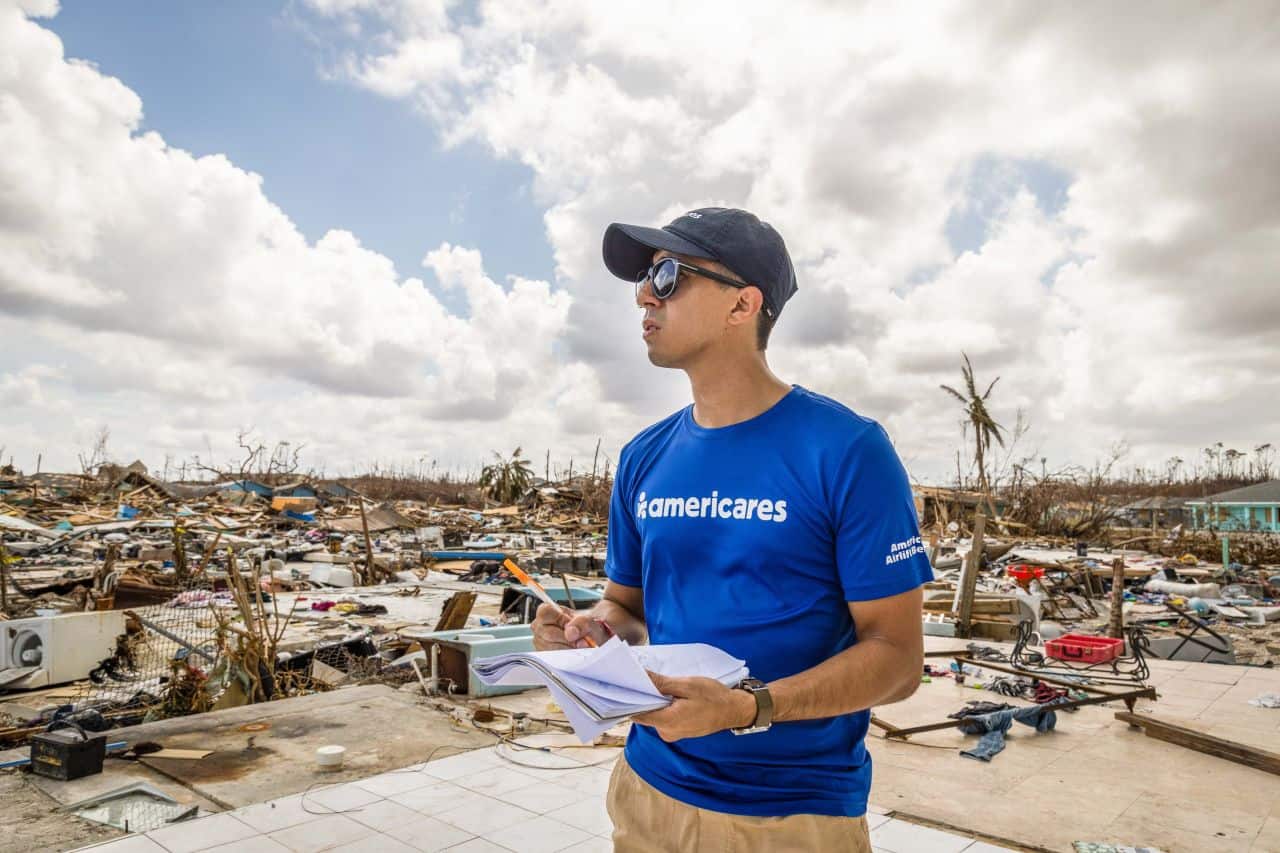
Wherever Disaster Strikes…

Americares has more than 40 years of experience responding to emergencies around the world, including the deadly wildfires, floods, hurricanes and earthquakes that caused billions of dollars in damage in recent years and changed lives forever. We respond to all kinds of disasters great and small, stay to help communities recover and prepare for future emergencies. Click on the arrow and see how we respond when a hurricane hits.

Annual Emergency Responses

36

emergencies in FY22

34

countries in FY22

$22 billion

total humanitarian aid since 1979

Getting Ready for the Next Disaster:

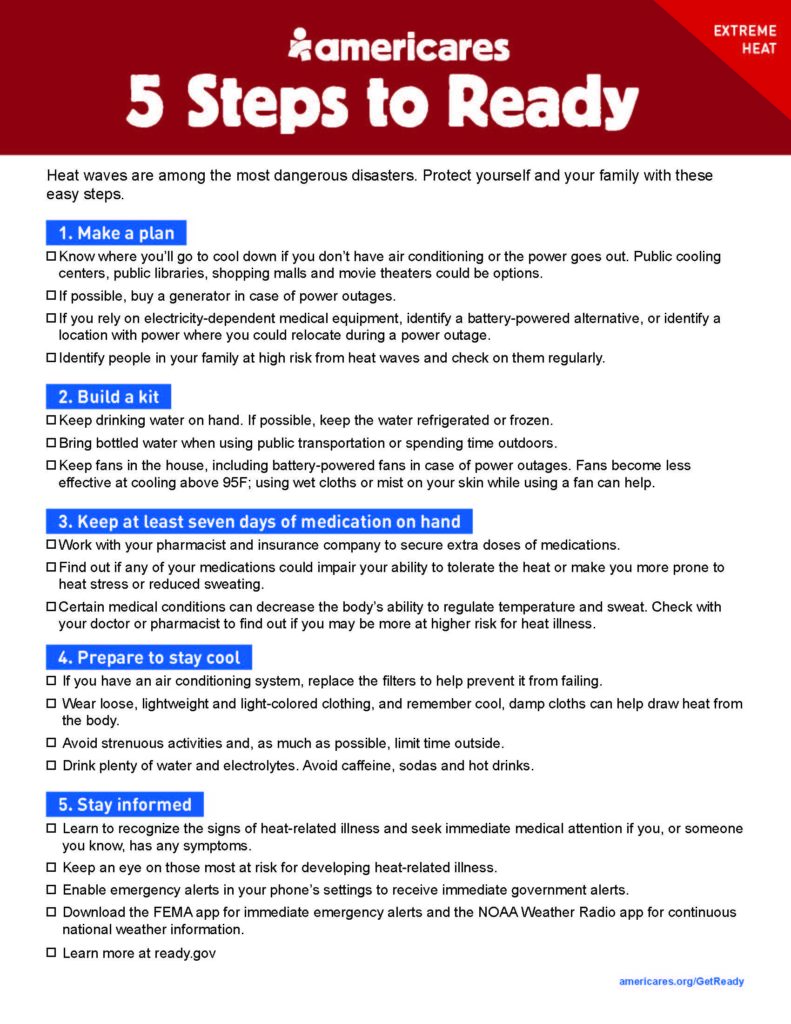
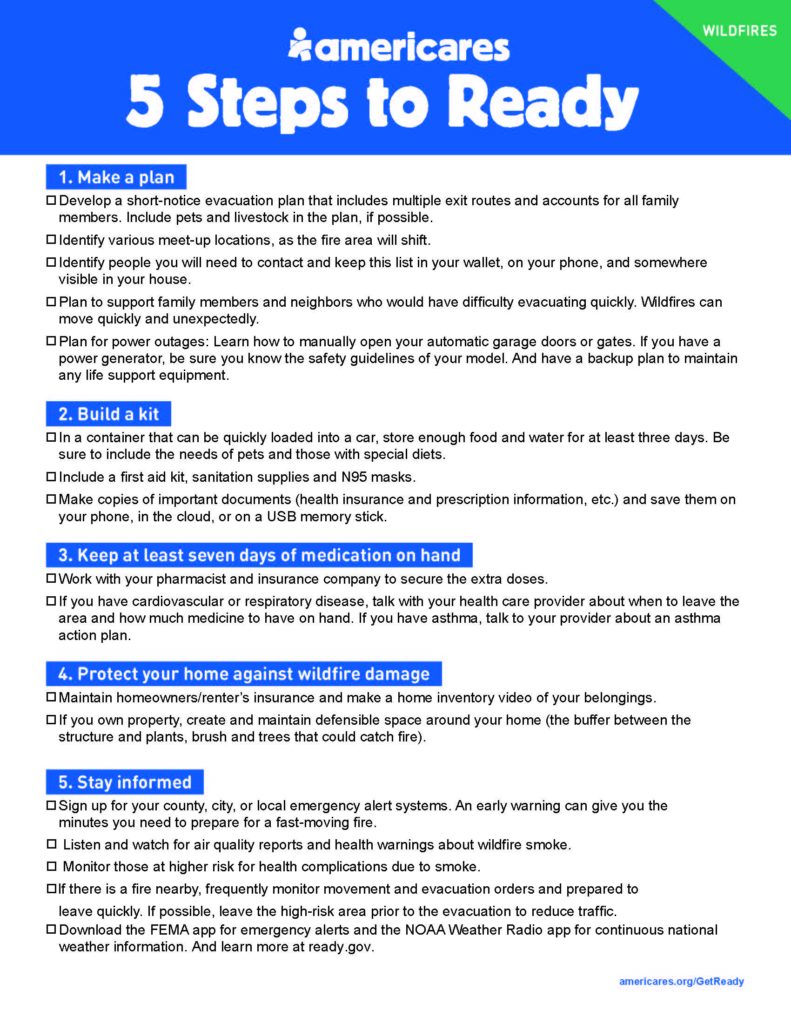
Prepare for emergencies now, when there is time. During a disaster, you might have only minutes to make decisions. Act now so you and your family can stay safe. Download your checklists for hurricanes, extreme heat and wildfires (all three below) and get ready now.  Disasters can change everything.  And for more information on what you can do to keep your family safe visit ready.gov.   


1. Make a plan.

  • Identify meet-up locations and people you will need to contact.
  • Put the list of contacts in your wallet, on your phone and some where visible in your house.

2. Build a kit.

  • Store enough food and water for at least three days. Be sure to include the needs of pets and those with special diets.
  • Consider buying a pre-made kit if it will meet your needs.

3. Keep at least seven days of medication on hand.

  • Work with your pharmacist and insurance company to secure the extra doses.

4. Make copies of important documents.

  • You’ll need your health insurance and prescription information.
  • Keep these on your phone, in the cloud or on a USB memory stick.

5. Stay informed.

  • Learn about local hazards unique to your local geography.
  • Take courses such as CPR and First Aid.
  • Sign up for your county, city or local police alert system. An early warning can give you the minutes you need to prepare for a fast-moving disaster.
  • Learn more at ready.gov
 

Hear from Americares Emergency Programs team on the ground before and after a disaster.